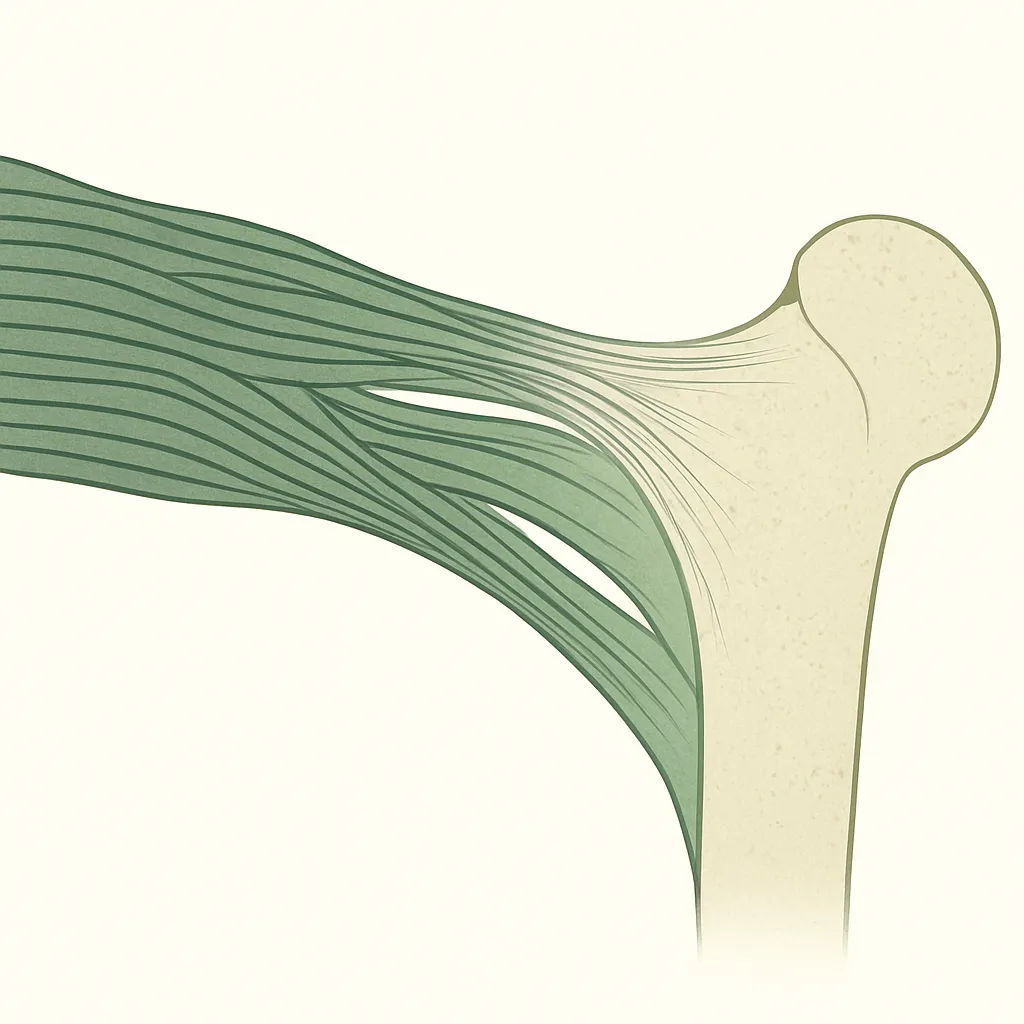
The recovery paradox
Few ideas are as intuitive (and as misleading) as "inflammation is bad, so reduce it to recover faster." For acute pain that intuition has its place. But for the everyday soreness of training, aggressively suppressing inflammation can work against you, because the inflammatory response is part of the signal that tells the body to adapt and grow stronger.
What inflammation does
After you load a muscle or tendon, a coordinated inflammatory response clears damaged components and recruits the cells that rebuild tissue. Interrupt that process and you may also interrupt the rebuilding it is meant to drive. That is the mechanism behind the surprising trial results that follow.
Cold water immersion
In a controlled study, regularly using post-exercise cold water immersion after strength training blunted the acute anabolic signalling that follows a workout and reduced long-term gains in muscle mass and strength compared with active recovery.[1] The cold plunge felt restorative, but over weeks it cost adaptation.
Cold water immersion attenuated both acute anabolic signalling and long-term adaptations to strength training.
NSAIDs
A similar pattern appears with anti-inflammatory drugs. In young adults undergoing resistance training, a high dose of an over-the-counter NSAID compromised gains in muscle size and strength relative to a low dose (suggesting that heavy, routine use of anti-inflammatories during a training block can dampen the adaptation you are after).[2]
Evidence note
When blunting is reasonable
There are legitimate times to reduce inflammation: controlling pain after a significant acute injury, managing a medical condition, or prioritising short-term performance in competition over long-term adaptation. The key is to use ice and NSAIDs as deliberate tools for specific situations, rather than as a reflexive daily habit layered onto every session.
Safety note
The bottom line
Inflammation drives much of the repair and adaptation that training is supposed to produce, and treating it as something to eliminate misses that function. Reserve ice baths and anti-inflammatories for when you actually need pain control, and let the normal inflammatory response do its job the rest of the time. For most people chasing strength, mobility, or tissue resilience, that restraint is the higher-yield choice. See our evidence ratings for how this compares to other recovery interventions.
Medical disclaimer
This article is for educational purposes only and is not medical advice. It does not establish a doctor-patient relationship. Consult a qualified clinician before changing how you use medication or manage an injury.
References
- Roberts LA, Raastad T, Markworth JF, et al. Post-exercise cold water immersion attenuates acute anabolic signalling and long-term adaptations in muscle to strength training. The Journal of Physiology. 2015. View on PubMed
- Lilja M, Mandić M, Apró W, et al. High doses of anti-inflammatory drugs compromise muscle strength and hypertrophic adaptations to resistance training in young adults. Acta Physiologica. 2018. View on PubMed