The healing-peptide landscape
Peptides are short chains of amino acids that act as signalling molecules. A handful have developed cult followings in recovery and biohacking circles for their apparent ability to speed tissue repair. The biology behind them is real and interesting, but the marketing runs well ahead of the evidence. The useful skill is telling those two apart.
Three names come up most often: BPC-157, TB-500, and GHK-Cu. Each has a real research literature, and each is sold online as a "research chemical," a label that describes a regulatory gap, not a guarantee of quality or safety.
BPC-157
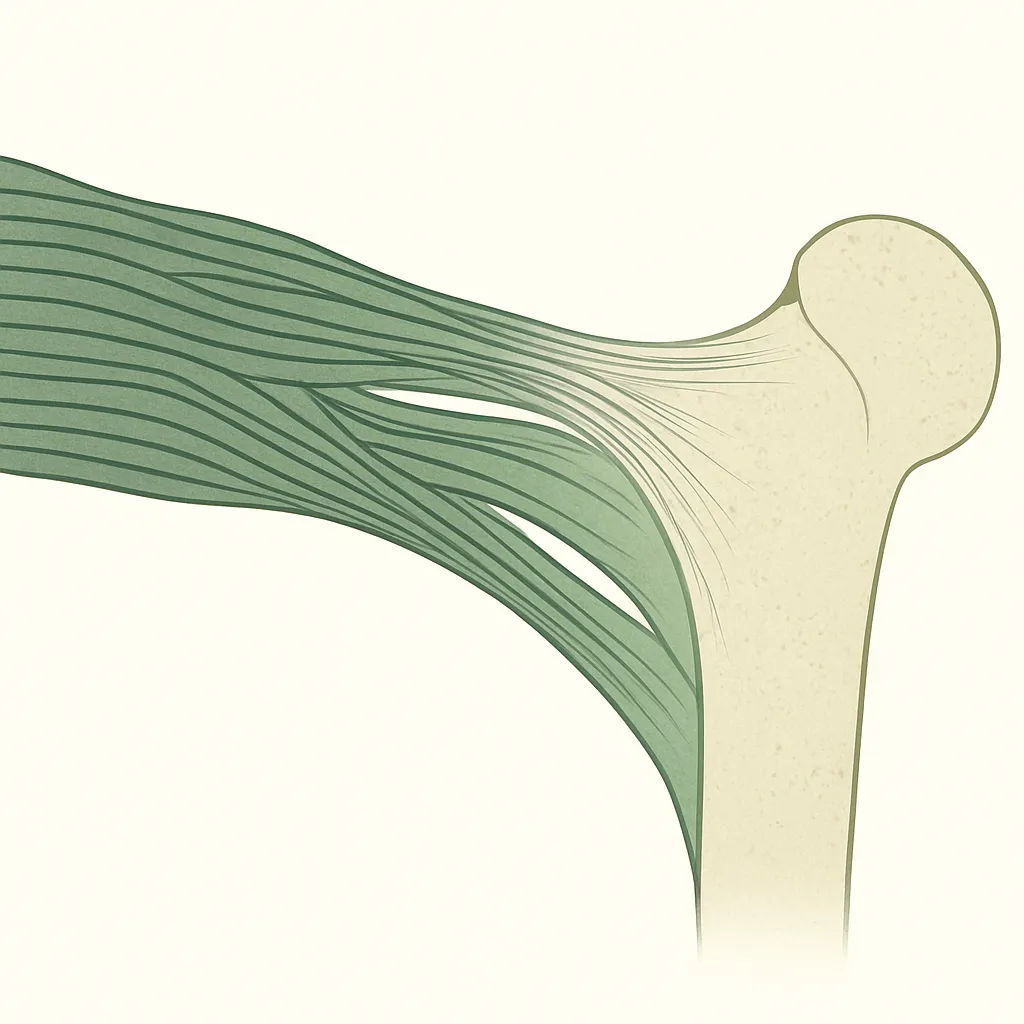
BPC-157 is a synthetic pentadecapeptide originally studied for protecting the gut lining.[1] Animal work has repeatedly shown accelerated healing of tendon, muscle, and other soft tissue, and a 2019 review summarised that consistent preclinical pattern.[2] What is missing is the part that matters most for people: published randomized human trials. We cover BPC-157 in depth in our dedicated review.
TB-500 (thymosin β4)
TB-500 is a synthetic fragment related to thymosin β4, a naturally occurring peptide involved in cell migration, blood-vessel growth, and tissue repair. Reviews describe it as a multi-functional regenerative peptide with broad activity in animal models of wound and tissue healing.[3] As with BPC-157, the regenerative biology is real in the lab, but rigorous human efficacy data for musculoskeletal recovery is lacking.
GHK-Cu
GHK-Cu is a naturally occurring copper-binding tripeptide that declines with age and is involved in tissue remodelling and wound repair.[4] It has the most human data of the three, but largely in skin and cosmetic applications, where it is an established ingredient, rather than in tendon or deep-tissue healing.
Evidence at a glance
| Peptide | Strongest evidence | Human healing data | Status |
|---|---|---|---|
| BPC-157 | Animal soft-tissue | No published RCTs | Not approved; WADA-banned |
| TB-500 (β4) | Animal regeneration | Very limited | Not approved; WADA-banned |
| GHK-Cu | Skin/wound, some human | Mostly cosmetic | Cosmetic ingredient |
Evidence note
None of these peptides is an approved medicine for healing. In 2023 BPC-157 was nominated to an FDA list of bulk substances posing significant safety risks for compounding; the nomination was later withdrawn.[5] For tested athletes the position is unambiguous: these non-approved substances are prohibited at all times under the WADA code.[6]
Safety note
The bottom line
Across BPC-157, TB-500, and GHK-Cu, the healing-peptide space is a case study in the gap between mechanism and proof: the lab biology holds up, but rigorous human trials for tissue repair have not been run, and the regulatory picture (an FDA safety flag, a WADA ban) argues for caution rather than enthusiasm. Anyone recovering from an injury right now is still better served by the basics that do have strong evidence behind them: progressive loading, sleep, adequate nutrition, and a qualified clinician's guidance.
Medical disclaimer
This article is for educational purposes only and is not medical advice. It does not establish a doctor-patient relationship and should not replace consultation with a qualified healthcare professional.
References
- Sikiric P, Seiwerth S, Rucman R, et al. Stable gastric pentadecapeptide BPC 157: novel therapy in gastrointestinal tract. Current Pharmaceutical Design. 2011. View source
- Gwyer D, Wragg NM, Wilson SL. Gastric pentadecapeptide body protection compound BPC 157 and its role in accelerating musculoskeletal soft tissue healing. Cell and Tissue Research. 2019. View source
- Goldstein AL, Hannappel E, Sosne G, Kleinman HK. Thymosin β4: a multi-functional regenerative peptide. Basic properties and clinical applications. Expert Opinion on Biological Therapy. 2012. View source
- Pickart L. The human tri-peptide GHK and tissue remodeling. Journal of Biomaterials Science, Polymer Edition. 2008. View source
- U.S. Food and Drug Administration. Certain bulk drug substances that may present significant safety risks (BPC-157 nominated but withdrawn). FDA 503A Bulk Drug Substances. 2023. View source
- World Anti-Doping Agency. Prohibited List: non-approved substances (S0). WADA Prohibited List. 2025. View source